

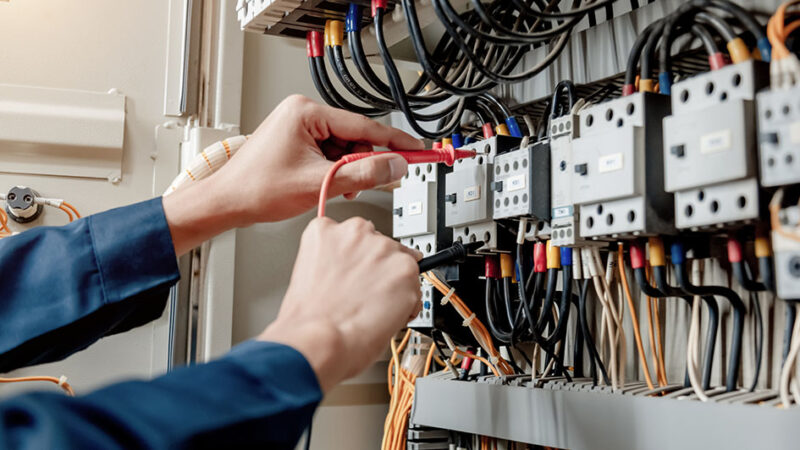
Many homeowners think power surges are limited to lightning storms. While lightning is definitely one cause, it isn’t the only one. Major appliances turning on and off, electrical grid switching, power outages and restoration can all create voltage spikes inside your home.
These surges don’t just threaten televisions and computers. They can also cause HVAC electrical damage because modern heating and cooling systems rely on highly sensitive electronic components. Thankfully, HVAC surge protection can help shield one of your home’s biggest investments and reduce the risk of expensive repairs.
What Is a Power Surge
A home power surge is a short spike in electrical voltage that travels through your home’s wiring. While it lasts only a fraction of a second, it still can damage home electronics.
Many people know lightning is the most well-known cause, but power surges often occur much closer to home. Electric utility providers routinely switch power on the electrical grid, and power can also surge when electricity is restored after an outage. Household appliances like refrigerators or air conditioners can also create minor voltage fluctuations when they cycle on and off. In some cases, loose wiring or other home electrical issues lead to surges.
Although one major power surge can cause immediate damage, repeated minor surges can slowly wear down HVAC components over time, reducing their lifespan.
Why Modern HVAC Systems Are More Vulnerable Than Ever
Modern heating and cooling systems use advanced electronics to improve comfort and energy efficiency. Even though hese advanced features offer many benefits, they can make equipment more vulnerable to damage from voltage spikes, highlighting the importance of HVAC electrical protection.
Some of the most at-risk HVAC components to power surges include:
- Control boards. They function as the system’s control center and can be damaged by even very small voltage spikes.
- Variable-speed motors. These energy-saving motors rely on electronic controls that are susceptible to electric surges.
- Smart thermostats. Connected thermostats contain delicate electronics that control your HVAC equipment.
- Electronic communication systems. Today’s HVAC systems rely on electronic communication between indoor and outdoor units for efficient operation.
- Inverter technology. Variable-capacity HVAC systems use sophisticated electronics that are better protected with surge protection.
Which HVAC Components Are Most Vulnerable to Power Surges?
Damage from voltage spikes can cost hundreds or even more to fix. Installing whole-home surge protection helps lower the risk of unexpected failures and expensive HVAC repair after voltage spike incidents.
HVAC components that are frequently damaged by power surges in Newark include:
- Control boards:Installing a whole-house surge protector protects your HVAC control board’s main.
- Airconditioner compressors. This component is one of the most expensive parts of an air conditioner or heat pump to replace.
- Blower motors.Electrical surges can damage motors used to move conditioned air throughout your home.
- HVACcapacitors. Surges can weaken or damage these components, reducing system startup and performance.
- Smartthermostats. A smart thermostat can malfunction after multiple voltage spikes.
- Electronic heat pump components. Heat pumps rely on multiple electronic components that are particularly vulnerable to surges.
Which is Better for My Home: Whole-Home Surge Protection or Power Strips?
Homeowners commonly use surge-protecting power strips for computers and televisions, but those devices don’t protect your HVAC system. To provide complete HVAC system protection, whole-home surge protection offers broader coverage and lasting value.
A professionally installed whole-home surge protector is connected at your home’s electrical panel. Rather than protecting only one outlet, the system helps safeguard major appliances and electronics throughout your house, including your HVAC system.
Benefits of Whole-Home Surge Protection
Adding whole-home surge protection is an effective way to protect your HVAC investment while also working to safeguard other valuable electronics throughout your home.
Benefits of whole-house HVAC surge protection include:
- Fewer repair costs. Reducing surge damage can help prevent expensive HVAC repairs.
- Extended HVAC system lifespan. Electronic HVAC components experience lower electrical stress over time when properly protected.
- Home electronics protection. In addition to protecting your HVAC, a whole-home surge protector also shields appliances, computers and entertainment systems.
- Greater peace of mind duringstorms. Surge protection provides added confidence when weather-related power outages occur.
- Protection from everyday electrical fluctuations. Small voltage spikes can gradually damage connected HVAC devices.
5 Signs You May Need Surge Protection
- Severe weather. Given the frequent summer storms in Newark, lightning protection for your HVAC can help minimize the risk of power surge damage.
- Power outages or flickering lights. Frequent outages and electrical fluctuations increase the likelihood of damaging voltage spikes.
- Older electrical systems. Old wiring or obsolete electrical equipment can increase your home’s surge risk.
- High-efficiency HVAC equipment. Protecting a high-efficiency heating and cooling system with a surge protector is often less expensive than repairing or replacing damaged components.
- Smart home technology. Homes with connected thermostats and other connected devices have even more sensitive electronics to protect.
Expert Surge Protection Installation Makes a Difference
Whole-house surge protection must be installed correctly to provide dependable protection. Working with licensed HVAC and electrical professionals like the team at Luikart Heating & Cooling helps make sure the surge protection device is properly installed and ready to help protect your home HVAC system.
The skilled professionals at Luikart Heating & Cooling understand the specialized electrical needs of modern HVAC equipment and will recommend the right surge protector for your AC, furnace and other home comfort systems.
Protect Your HVAC Investment with Whole-Home Surge Protection
Voltage spikes aren’t always dramatic, but they can have a major impact on your heating and cooling system. Adding whole-home surge protection is an effective way to help prevent expensive repairs, extend equipment life and improve the reliability of your HVAC system.
If you’re considering AC or furnace surge protection, you can count on the team at . Our HVAC services include comprehensive surge protection options, including whole-house surge protectors. Our professionals will review your home’s needs and suggest a customized solution to protect your home HVAC. In addition to surge protection, we offer all electrical services for the rest of your home.
Find out how surge protection can help protect your HVAC equipment. Schedule service online or call 740-344-5497 today.